
August 17, 2026
How to Choose a Safe Aesthetics Clinic
Knowing how to choose an aesthetics clinic is about much more than finding the lowest price or the most impressive before-and-after photos. A good clinic should make you feel informed, comfortable and confident about the person treating you, the products or devices being used, the possible risks and what happens after your appointment.
This matters because non-surgical aesthetic treatments are not risk-free. In England, the government has been developing tighter regulations for non-surgical cosmetic procedures, including stronger expectations around qualifications, training, hygiene, insurance and oversight.
Start With the Treatment, Not the Trend
The safest place to start is with what you actually want help with. Social media can make aesthetic treatments seem quick and straightforward, but what works well for one person may not be appropriate for another. Rather than deciding you need a specific procedure just because you saw it online, start by identifying the concern you want assessed.
Define the Concern You Want Assessed
Think about what you would genuinely like to improve. You may be concerned about fine lines, pigmentation, unwanted hair, skin texture, volume loss or another specific issue. A good practitioner should be able to assess that concern and discuss suitable options rather than automatically agreeing with the treatment you arrived asking for.
This is an important distinction when comparing clinics. The right medical aesthetic clinic or aesthetics provider should focus on whether a treatment is suitable for you, not simply whether you are willing to pay for it.
Check Whether Treatment Is Appropriate for You
Not everyone is suitable for every aesthetic procedure. Your medical history, medication, allergies, pregnancy, previous treatments and existing skin conditions may all influence whether a procedure is appropriate.
You should expect these factors to be discussed before treatment. If a clinic is willing to proceed without asking meaningful questions about your health or suitability, that should give you reason to reconsider.
1. Check Who Will Perform the Treatment
Know exactly who will be carrying out your procedure. Before booking, look for the practitioner’s name and information about their professional background, experience, and the treatments they personally provide.
Do not assume that phrases such as “aesthetic practitioner” or “advanced practitioner” automatically tell you someone’s regulated professional status. Some titles used within the aesthetics industry are broad descriptions rather than protected professional titles.
Ask who will actually treat you, rather than relying on the clinic’s overall reputation.
2. Verify Qualifications, Training and Registration
Relevant qualifications matter more than impressive-looking badges. A practitioner should have appropriate training for the specific treatment they are performing. If they claim to be a regulated healthcare professional, you should also be able to verify their registration with the relevant professional body.
Training should be directly relevant to the procedure in question. Someone being qualified in one area of beauty or aesthetics does not automatically mean they are appropriately trained for every treatment they advertise.
When researching an aesthetic clinic, look beyond logos and certificates on a website. Ask what the qualification is, who issued it and whether the practitioner regularly performs the procedure you are considering.
3. Expect a Proper Consultation and Medical History
A consultation should be part of the decision-making process, not a sales formality. Before treatment, your practitioner should take time to understand what you want to achieve and ask appropriate questions about your medical history, medication and previous procedures. They should also explain whether the treatment is suitable, what alternatives may be available and what outcome is realistic.
At Elley Medispa, consultations are an important part of treatment planning, and patch testing is also used where relevant to the procedure. You can find out more about arranging a free consultation before deciding whether a treatment is right for you.
4. Ask Who Prescribes Prescription-Only Medicines
Prescription treatments require additional checks. Botulinum toxin type A is a prescription-only medicine in the UK, meaning it must be supplied in accordance with a prescription from an appropriate prescriber.
If you are considering a treatment involving a prescription-only medicine, ask who is responsible for prescribing it and how that prescribing process works.
A reputable clinic should be able to explain this clearly rather than avoiding the question.
It is also worth remembering that, in England, cosmetic botulinum toxin injections and cosmetic filler injections generally cannot legally be administered to under-18s except in specific medically approved circumstances.
5. Check Products, Devices and Traceability
You should know what is being used during your treatment. Depending on the procedure, this could include an injectable product, a skincare preparation, or a laser device.
Ask what product or technology is being used and why it is appropriate for you. Where applicable, reputable clinics should also keep appropriate treatment and product records, including information that enables products to be traced.
This is especially important with injectable products. If a practitioner is reluctant to tell you what product they intend to use, that is a clear warning sign.
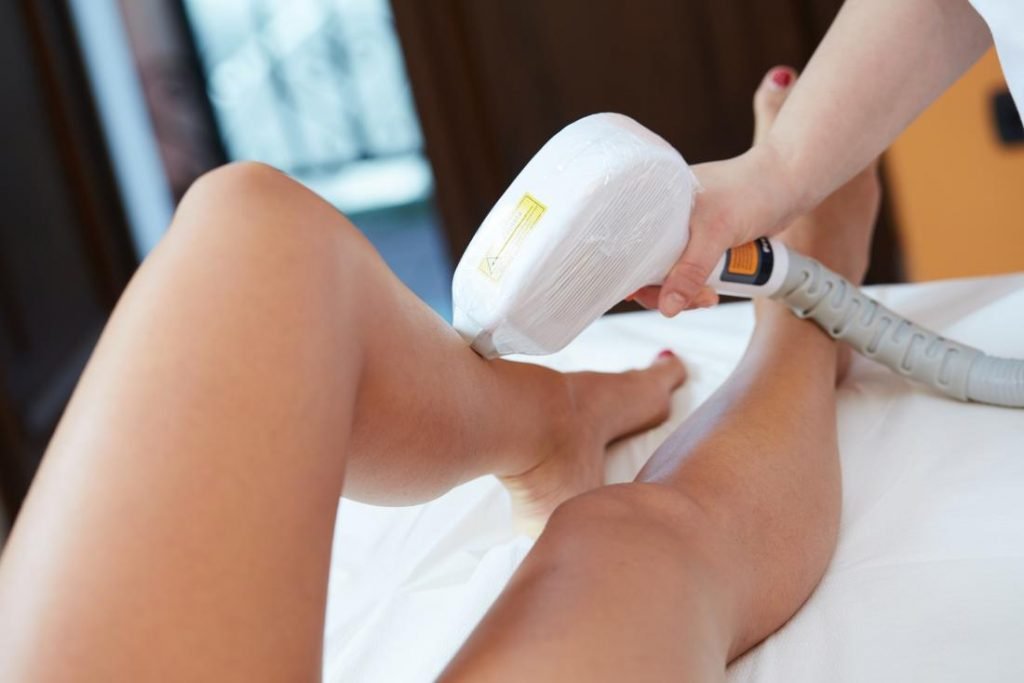
For device-based procedures, ask what equipment is being used and how your settings or treatment plan will be adapted to your individual needs.
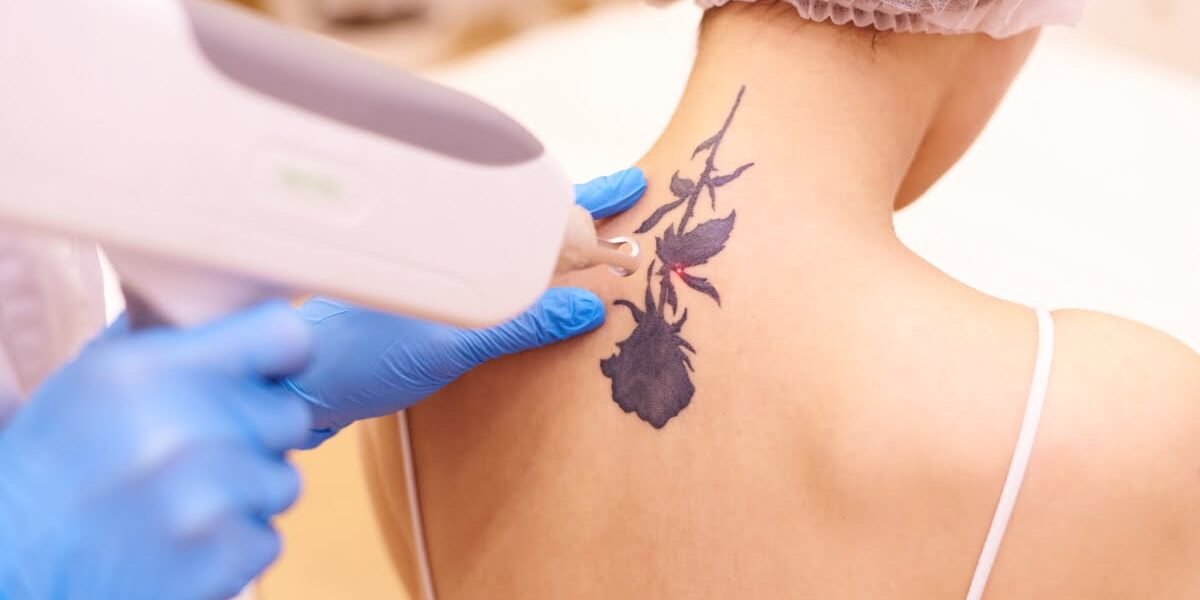
For example, Elley Medispa provides treatments including laser tattoo removal, where the consultation considers characteristics such as the tattoo and the client’s skin before a treatment plan is discussed.
6. Look for Hygiene, Consent and Photography Standards
Professional surroundings should be matched by professional processes. Treatment areas should appear clean, organised and suitable for the procedure being performed. Infection control, hand hygiene, cleanable surfaces and appropriate handling of equipment are all important considerations in aesthetic treatment environments. Local authority guidance also emphasises measures such as cleaning equipment between clients and providing appropriate aftercare.
You should also be asked to give informed consent before a procedure. That consent should mean more than signing a form. You should understand what is being done, the realistic benefits, relevant risks and what to do if you experience a problem afterwards.
Photography is also commonly used to document progress. If photographs are being taken, you should know why and how they will be used or stored. Separate consent should be considered before images are used for marketing purposes.
7. Understand Risks, Downtime and Realistic Outcomes
A trustworthy clinic will tell you what can go wrong as well as what can go right. No aesthetic procedure should be presented as completely risk-free.
The type and severity of potential complications vary depending on the treatment. Injectable procedures, for example, can involve risks that require prompt recognition and appropriate management. Save Face specifically advises that practitioners should be trained to recognise complications and have suitable aftercare processes in place.
Your practitioner should explain the side effects and risks associated with your treatment, as well as the expected downtime and recovery. Be cautious if everything is described as “completely safe”, “guaranteed” or “risk-free”. A responsible practitioner should give you realistic expectations rather than overpromise results.
8. Ask About Aftercare and the Complication Pathway
Your relationship with the clinic should not end when you leave the treatment room. Before agreeing to treatment, ask what aftercare is provided and who you should contact if you are worried afterwards.
Written aftercare is particularly useful because it gives you something clear to refer back to at home. Local authority guidance recommends that aftercare should be appropriate to the treatment and provided both verbally and in writing.
You should also know how the clinic handles complications. Ask questions such as: Who do I contact if something feels wrong? Is there an emergency number? Who assesses complications? What happens if the original practitioner is unavailable?
A clear answer is a strong sign that the clinic has thought beyond simply carrying out the procedure.
9. Check Insurance, Policies and Emergency Contact
A professional clinic should have safeguards in place. Practitioners should have appropriate insurance for the procedures they carry out. Industry accreditation schemes, such as Save Face, also require eligible practitioners to hold appropriate indemnity insurance, maintain relevant training records, and have suitable premises.
It is also sensible to review the clinic’s cancellation, refund, and complaints policies before committing to treatment. For more advanced procedures, ask what you should do if you develop an unexpected reaction outside normal opening hours. A clinic that offers higher-risk treatments should be able to clearly explain its escalation and emergency support process.
10. Read Reviews Critically and Inspect Real Cases
Reviews are useful, but they should not be your only evidence. When people search for the best aesthetics in Welwyn Garden City, star ratings can quickly become the deciding factor. However, reviews reflect someone’s personal experience rather than proving that a clinic is clinically appropriate for you.
Use reviews alongside other evidence. Look at whether clients mention consultations, communication, aftercare and how the clinic responds when somebody has a concern. A page filled only with very short comments about how “amazing” a treatment looked tells you far less about safety standards.
Before-and-after photographs can also be helpful when they show genuine work performed by the practitioner you are considering.
Pay attention to whether the examples are relevant to your concern, and remember that results will always vary from person to person.
Red Flags to Watch For Before You Book
There are several signs that should make you investigate further before committing to treatment. Be cautious if you encounter:
- Pressure to book or pay immediately.
- Large discounts that encourage you to make a rushed decision.
- No meaningful consultation before treatment.
- A practitioner who cannot clearly explain their qualifications.
- Vague answers about the products or devices being used.
- No discussion of your medical history.
- Claims that a treatment is completely risk-free.
- Guaranteed results.
- No explanation of possible complications.
- No clear
Post Tags:


Elley Spa
We are a secret gem in the heart of Welwyn Garden City town centre – an oasis of healing, wellbeing, rebirth and transformation. A place to become calm, complete, more ‘present’ and attuned to your body and your heart and when you leave our place, you feel less stressed and anxious
Recent Post



Need Help?
We would love to hear from you! If you have a question or suggestion or want to say hello, please feel free to contact us.